
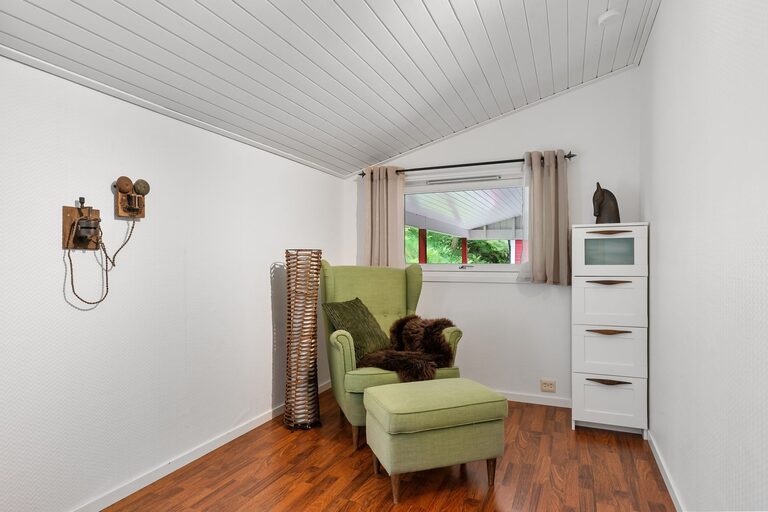
Making the most out of a small living space can feel challenging, especially when you want your home to be both comfortable and practical. Whether you live in a tiny apartment, a studio, or simply have a cozy room to work with, organizing your space thoughtfully can make a big difference. This guide offers helpful tips to maximize comfort and functionality while keeping your home inviting and clutter-free.
Assess Your Space and Prioritize Needs
The first step in organizing any small living area is understanding your priorities and how you use the space.
– Identify key activities: Think about what you do most in your living space—relaxing, working, cooking, entertaining, or sleeping.
– Measure your area: Knowing the exact dimensions helps with choosing furniture and storage solutions that fit perfectly without overcrowding.
– Declutter: Remove items you don’t use or need. A clutter-free space instantly feels larger and more serene.
Choose Multi-Functional Furniture
Furniture that serves more than one purpose is essential for small spaces.
Examples of Multi-Functional Furniture:
– Sofa beds or daybeds: Offer seating by day and a sleeping area by night.
– Storage ottomans: Can be used as seating, a footrest, and hidden storage.
– Expandable dining tables: Adjust size depending on the number of guests.
– Nesting tables: Compact but offer multiple surfaces when needed.
Selecting adaptable pieces helps you maximize every square inch without sacrificing comfort.
Optimize Vertical Space
When floor space is limited, look upwards.
– Wall-mounted shelves: Great for books, decorative items, and kitchen supplies.
– Hanging storage: Use hooks or pegboards in kitchens and entryways to keep things organized.
– Tall bookcases or cabinets: Utilize height while keeping footprint minimal.
– Over-the-door organizers: Perfect for shoes, accessories, or cleaning supplies.
Using vertical areas effectively keeps clutter off the floor and frees up room for movement.
Use Light Colors and Smart Lighting
Color and light play a big role in how spacious and inviting a room feels.
– Light, neutral colors: Whites, creams, pastels, and light grays can make a room appear bigger.
– Mirrors: Reflect light and create an illusion of depth.
– Layered lighting: Combine natural light with ceiling lights, lamps, and task lighting for balanced ambiance.
– Avoid heavy curtains: Opt for sheer or light-blocking blinds that don’t overpower windows.
Bright, well-lit rooms appear more open and comfortable.
Create Defined Zones
Even in a small space, defining areas for specific functions helps with organization and flow.
– Use rugs: Define living, dining, or workspace areas visually.
– Furniture arrangement: Position pieces to create natural separations.
– Room dividers: Folding screens or bookshelf dividers add privacy without building walls.
– Clear storage bins: Keep similar items together and visible, making it easier to maintain order.
Zones help your brain accept multiple uses in a smaller footprint and keep things tidy.
Incorporate Hidden Storage Solutions
Discreet storage keeps everyday essentials accessible but out of sight.
– Under-bed storage: Use shallow bins or drawers for clothes, shoes, or linens.
– Built-in storage: Custom furniture with incorporated drawers and shelves.
– Behind-the-sofa storage: Narrow shelves or baskets can fit in tight spots.
– Furniture with storage compartments: Coffee tables, benches, and beds can hide items.
Hidden storage keeps your space neat without sacrificing style.
Maintain a Regular Cleaning and Organizing Routine
Keeping a small space functional requires consistent effort.
– Daily tidying: Put things back in their place at the end of the day.
– Weekly deep clean: Dust, vacuum, and reorganize storage areas.
– Seasonal review: Donate or discard items you no longer use.
– Have a “home” for everything: Assign places for all possessions to avoid random piles.
A routine prevents clutter from accumulating and ensures your home remains comfortable.
Personalize Without Overcrowding
Small spaces benefit from touches that make them feel like home, but balance is key.
– Choose a few meaningful decor pieces: Photos, plants, or artwork that bring joy.
– Keep surfaces mostly clear: This maintains an open and calming atmosphere.
– Use textiles: Throw pillows, blankets, or area rugs add warmth and texture.
– Avoid oversized items: Smaller-scale accessories fit better and keep the room airy.
Personalization helps you connect emotionally with your space, making it more welcoming.
—
In conclusion, organizing a small living space is about working smart rather than hard. Prioritizing your needs, using multifunctional furniture, maximizing vertical space, and maintaining order will create a cozy, comfortable, and highly practical home. With thoughtful planning and regular upkeep, even the smallest spaces can offer freedom and ease every day.
