
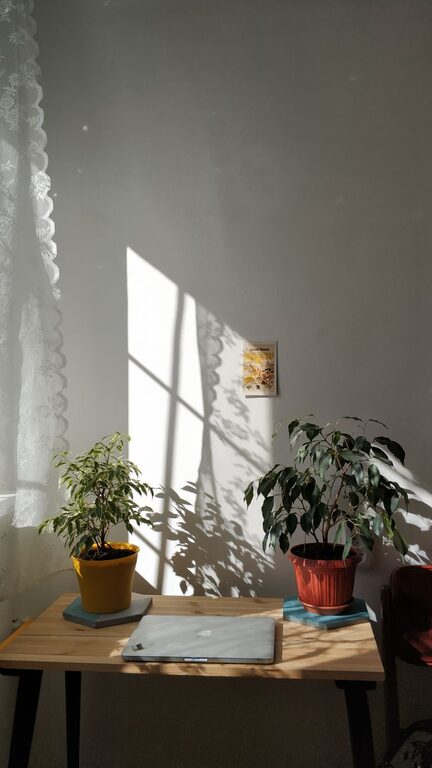
Creating a home office that feels cozy and inviting is more important than ever, especially as many of us spend a significant amount of time working remotely. A well-designed workspace not only enhances productivity but also supports well-being by making you feel comfortable and motivated. Whether you have a dedicated room or a small corner, this guide offers thoughtful tips to help you build a home office that you’ll truly enjoy.
Choose the Right Location
Before you start decorating or furnishing, consider the ideal spot for your home office. Look for a space with:
– Good natural light: Position your desk near a window if possible. Natural light improves mood and reduces eye strain.
– Privacy: Choose a quiet area away from household distractions.
– Sufficient space: Ensure there’s enough room for your desk, chair, and storage needs without feeling cramped.
If space is limited, a corner of your living room or bedroom can work. Just make sure to establish clear boundaries to separate work and relaxation zones.
Invest in Comfortable Furniture
Your office furniture plays a critical role in creating a cozy environment.
– Ergonomic chair: Comfort is key to preventing back pain and boosting focus. Look for adjustable chairs with lumbar support.
– Desk: Choose one that fits your space and work style. Standing desks or adjustable options can add variety and promote movement.
– Storage: Keep your space tidy with shelves, filing cabinets, or baskets. Declutter often to maintain a calm atmosphere.
Remember, comfort doesn’t mean sacrificing style. Choose furniture that reflects your personal taste to create a space you want to spend time in.
Use Soothing Colors and Textures
Color and texture can greatly influence how inviting your workspace feels.
– Color palette: Soft, muted tones like pastels, earth tones, or shades of blue and green foster calmness and concentration. Avoid overly bright or harsh colors.
– Textiles: Add warmth with a cozy rug, cushions, or curtains. These elements soften the room and reduce noise.
– Natural materials: Incorporate wood, stone, or plants for a grounded, organic feel.
Personal touches like artwork or photographs can also enhance the ambiance while keeping the space professional.
Maximize Lighting Options
Lighting affects productivity and atmosphere. Aim for a balanced mix of:
– Ambient lighting: Overhead lights or ceiling fixtures provide general illumination.
– Task lighting: A desk lamp with adjustable brightness helps reduce eye strain during focused work.
– Accent lighting: Soft string lights or decorative lamps add warmth and personality.
Use dimmable lights when possible so you can tailor brightness based on the time of day and tasks.
Organize and Declutter Regularly
A clutter-free workspace supports mental clarity and keeps your office inviting.
– Daily tidy-up: Spend a few minutes clearing papers and tools off your desk before and after work.
– Organizational tools: Use trays, drawer organizers, or cable management solutions to keep everything in place.
– Minimalism: Limit decorations and supplies to essentials. If you don’t use it regularly, store it elsewhere or donate it.
An organized space reduces stress and makes it easier to focus on your work.
Incorporate Personal and Natural Elements
Adding personal touches and nature-inspired accents creates a welcoming vibe.
– Plants: Choose low-maintenance options like succulents or snake plants. They add color and improve air quality.
– Art and decor: Display meaningful items such as prints, inspirational quotes, or collectibles that motivate you.
– Scent: Light a candle or use essential oils with scents like lavender or citrus to enhance relaxation.
These elements make the space feel uniquely yours without overwhelming the work environment.
Maintain Good Air Quality and Temperature
The physical comfort of your home office affects how cozy it feels.
– Ventilation: Open windows regularly or use an air purifier to keep fresh air circulating.
– Temperature control: Use fans, heaters, or air conditioners to maintain a comfortable temperature year-round.
– Humidity: A small humidifier can help if your space feels dry, especially in winter.
A comfortable climate helps maintain focus and keeps you feeling fresh throughout the day.
Create a Routine and Boundaries
A cozy office is not just about the physical space, but also the habits that support your work-life balance.
– Set work hours: Establish clear start and end times.
– Take breaks: Step away from your desk to stretch or relax.
– Use the space intentionally: Keep the home office for work only, when feasible, to mentally separate productivity from leisure.
Routine and boundaries foster a productive, inviting environment that respects your well-being.
—
Final Thoughts
Designing a cozy and inviting home office doesn’t require a big budget or major renovations. By paying attention to furniture comfort, natural light, color choices, and organization, you can create a workspace that feels both personal and professional. The right balance of aesthetics and function will help you enjoy your time at work and stay motivated every day. Start with small changes and adjust as you discover what makes your space most comfortable for you. Happy decorating!
