Creating a home office that is both cozy and productive can make a significant difference in your workday. Whether you work remotely full-time or occasionally need a quiet spot to focus, having a dedicated space that feels comfortable yet promotes concentration helps improve your efficiency and overall well-being. Here are practical tips to help you design a home office that strikes the perfect balance between comfort and productivity.
Choose the Right Location
Find a Quiet Spot
Start by selecting a location in your home that offers minimal distractions. This might be a spare room, a corner in your bedroom, or even a section of your living room. The key is to identify a spot where you can work uninterrupted and maintain focus.
Consider Natural Light
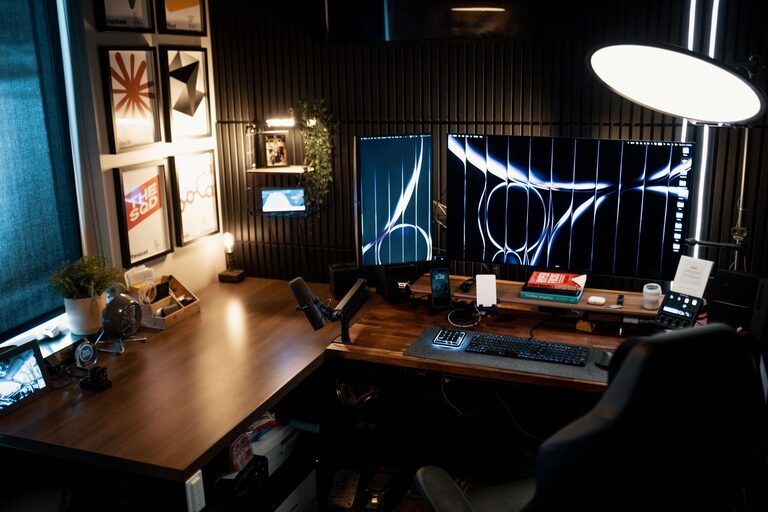
Good lighting is essential. Try to place your workspace near a window to take advantage of natural light, which can boost your mood and reduce eye strain. If natural light is limited, invest in quality artificial lighting, such as a desk lamp with adjustable brightness.
Invest in Comfortable Furniture
Ergonomic Chair and Desk
Comfort is critical when setting up a productive workspace. An ergonomic chair that supports your back and promotes good posture can prevent discomfort during long hours of sitting. Pair it with a desk at the right height to keep your wrists and arms comfortable while typing or writing.
Personalize Your Desk
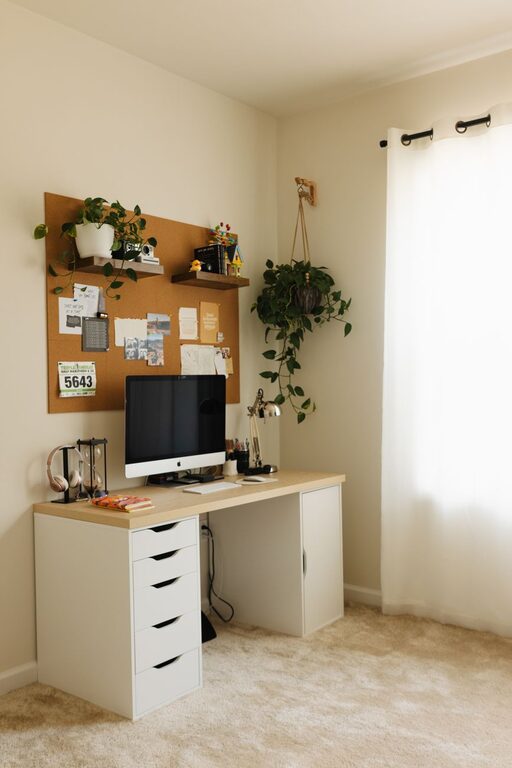
Choose a desk that fits your needs—whether you need lots of surface area for multiple monitors or a compact model for a smaller space. Adding personal touches like a favorite mug or small plant can make your desk feel welcoming.
Organize and Declutter
Use Storage Solutions
Clutter can hinder productivity. Use shelves, drawers, or organizers to keep your supplies tidy and within reach. Label storage containers to make it easier to find what you need quickly.
Keep Only Essentials on Display
Limit the items on your desk to must-haves such as your computer, notepad, and pen. Keeping your workspace clean and organized helps maintain focus and reduces stress.
Enhance Comfort and Ambience
Add Cozy Textures
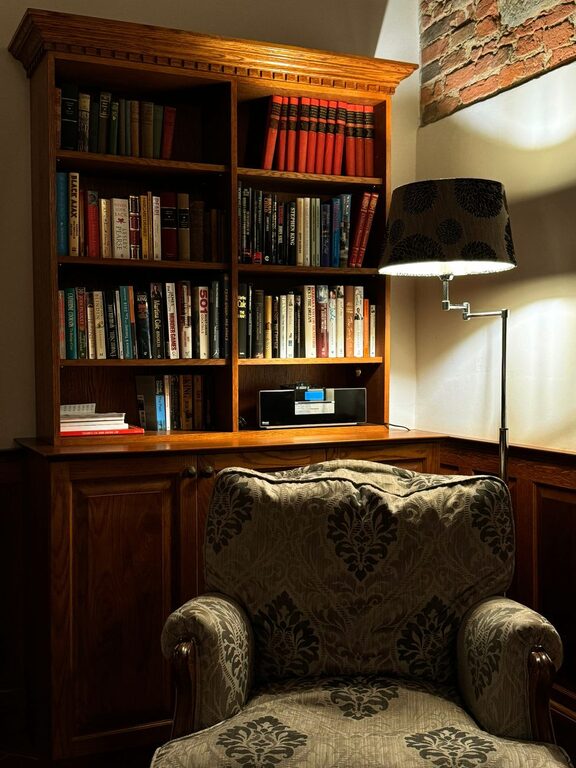
Incorporate soft elements like a plush rug, cushions, or a throw blanket to add warmth to your space. These textures can make your office feel more inviting and comfortable.
Use Calming Colors
Choose colors that inspire focus and calm, such as soft blues, greens, or neutral tones. Avoid overly bright or distracting colors that can interfere with concentration.
Control the Temperature
Ensure your workspace is neither too hot nor too cold. A comfortable temperature will help you maintain attention without feeling distracted by discomfort.
Incorporate Technology Wisely
Reliable Internet and Equipment
A stable internet connection is vital for remote work or virtual meetings. Invest in quality hardware like a fast computer and noise-canceling headphones to enhance your work experience.
Minimize Screen Glare
Position your monitor to avoid glare from windows or lights. Using an anti-glare screen protector can also reduce eye strain.
Establish Boundaries
Define Work Hours
Set clear working hours to maintain a healthy work-life balance. Communicate your schedule to family or housemates to minimize interruptions.
Separate Work from Leisure
Avoid using your workspace for non-work activities. This separation helps your mind switch into “work mode” when you’re in your office space.
Personalize for Motivation
Display Inspirational Items
Add photos, artwork, or quotes that motivate you. Personal inspiration can boost mood and spark creativity during challenging tasks.
Bring Greenery In
Plants not only brighten the room but also improve air quality and reduce stress. Select low-maintenance plants like succulents or pothos for easy care.
Take Breaks and Move
Schedule Short Breaks
Working for long periods without breaks can lead to fatigue. Use techniques like the Pomodoro method—working 25 minutes, then taking a 5-minute break—to stay refreshed.
Stretch and Move Around
Incorporate stretching or short walks into your routine to keep energy levels high and avoid stiffness.
—
By carefully designing your home office with these tips, you can create an environment that’s both cozy and productive. A thoughtful combination of comfort, organization, and personalized elements makes working from home more enjoyable and efficient. Start small by adjusting one or two aspects of your workspace and build from there to achieve the ideal home office setup.

Related Posts