Creating a relaxing home office environment is essential for maintaining focus and reducing stress while working remotely. Your workspace can greatly influence your mood, motivation, and overall productivity. The good news is that a few thoughtful changes can transform any room or corner into a calming and efficient office.
In this post, we’ll share practical tips to help you build a home office that supports relaxation and work success.
1. Choose the Right Location
Start by selecting a quiet, well-lit spot in your home that has minimal distractions. If possible, choose a room with a door to separate work from home life. This separation helps create a boundary for work hours and improves focus.
Consider natural light availability. A space with windows can boost your energy and improve mood. If natural light isn’t an option, invest in good quality lighting that mimics daylight.
2. Invest in Comfortable Furniture
Comfort is key when you spend hours at a desk. An ergonomic chair that supports your back and promotes good posture reduces discomfort and fatigue. Pair it with a sturdy desk that fits your needs—whether you prefer standing or sitting while working.
Adding cushions or a footrest can also enhance comfort. Keep in mind that adjustable furniture lets you customize your setup, which can contribute to a more relaxing workspace.
3. Declutter and Organize
A cluttered workspace can increase stress and make it harder to focus. Keep your desk tidy by regularly clearing unnecessary items.
Use storage solutions like shelves, drawers, or organizers to keep supplies neat and within reach. Label containers or folders to find important documents easily.
Organizing your workspace not only creates a cleaner environment but can also help your mind feel calmer and more in control.
4. Personalize Your Space
Adding personal touches to your home office can make it feel welcoming and boost your mood.
Consider incorporating:
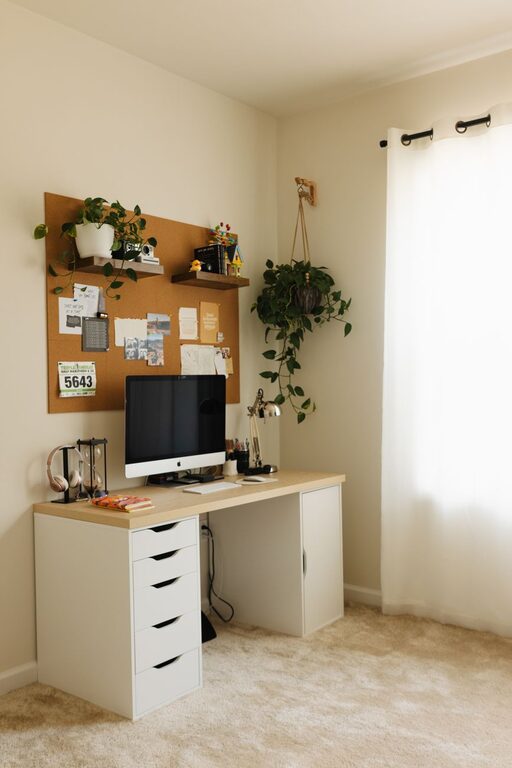
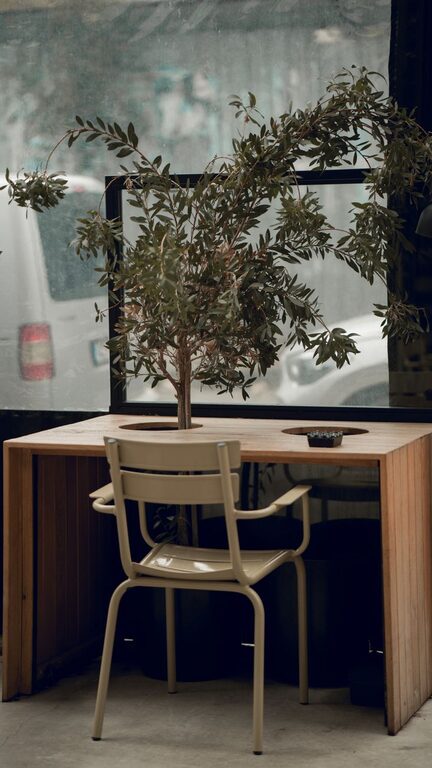
– Plants: Small indoor plants improve air quality and add a soothing natural element.
– Artwork or photos: Choose pieces that inspire or calm you.
– Soft textiles: A cozy rug or cushion can make the space more inviting.
– Scented candles or essential oil diffusers: Light, pleasant aromas can create a relaxing atmosphere.
Be mindful not to overcrowd your space—keep personalization balanced with functionality.
5. Control Noise and Distractions
Noise can interrupt concentration and increase stress. If you live in a noisy environment, try using noise-cancelling headphones or playing gentle background music to mask sounds.
You can also add soft materials like curtains, rugs, or fabric-covered furniture to absorb sound.
Set clear boundaries with others in your household about work hours to minimize interruptions.
6. Optimize Lighting
Lighting affects your alertness and eye comfort. Avoid harsh overhead fluorescent lights if possible.
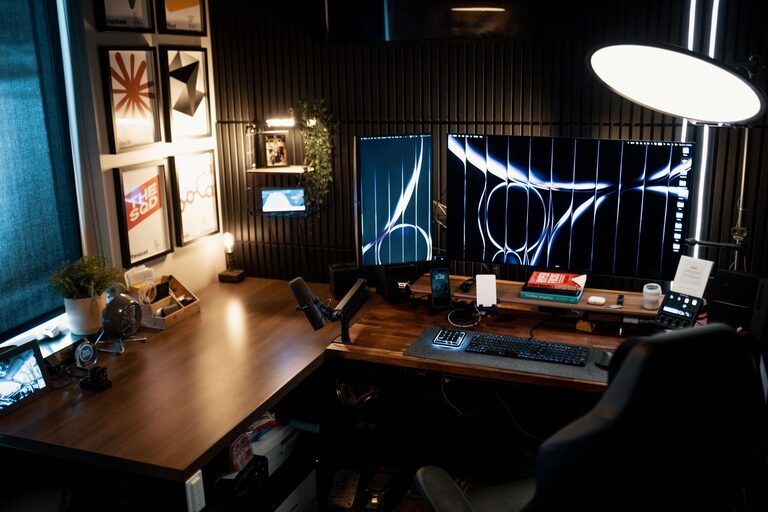
Use a combination of natural light and adjustable task lighting. A desk lamp with warm light provides good illumination for reading or computer work without causing eye strain.
Consider the placement of your computer screen to reduce glare from windows or lamps.
7. Create a Routine
Establishing a daily work routine helps your mind shift into focus mode and signals when it’s time to relax.
Set regular working hours and take breaks to stretch or step outside. Use timers or apps to remind yourself to pause.
Keep a to-do list or planner to organize your tasks and maintain structure throughout the day.
8. Incorporate Movement and Breaks
Sitting in one place for too long can lead to stiffness and discomfort. Integrate short breaks where you stand, stretch, or walk around.
If space allows, create a small area for light exercises or yoga. Movement refreshes the mind and body, helping you stay relaxed and productive.
9. Use Technology Wisely
Leverage technology to improve your workflow without adding stress.
Organize files digitally to reduce paper clutter. Use apps for note-taking, scheduling, and communication.
However, avoid overloading your workspace with too many gadgets. Keep only the essential tools at hand to maintain simplicity.
10. Maintain Good Air Quality
Fresh air is important for focus and overall health. If possible, open windows regularly to let in natural air.
Use an air purifier if your space tends to be stuffy or dusty. Proper ventilation keeps the environment comfortable and inviting.
—
Final Thoughts
Designing a relaxing home office environment is about balancing comfort, organization, and personal touches. By making intentional choices about your workspace, you create a setting that supports both productivity and well-being.
Try implementing these tips gradually. Small changes can lead to a big difference in how you feel and work each day. Enjoy your new, calming workspace!

Related Posts